

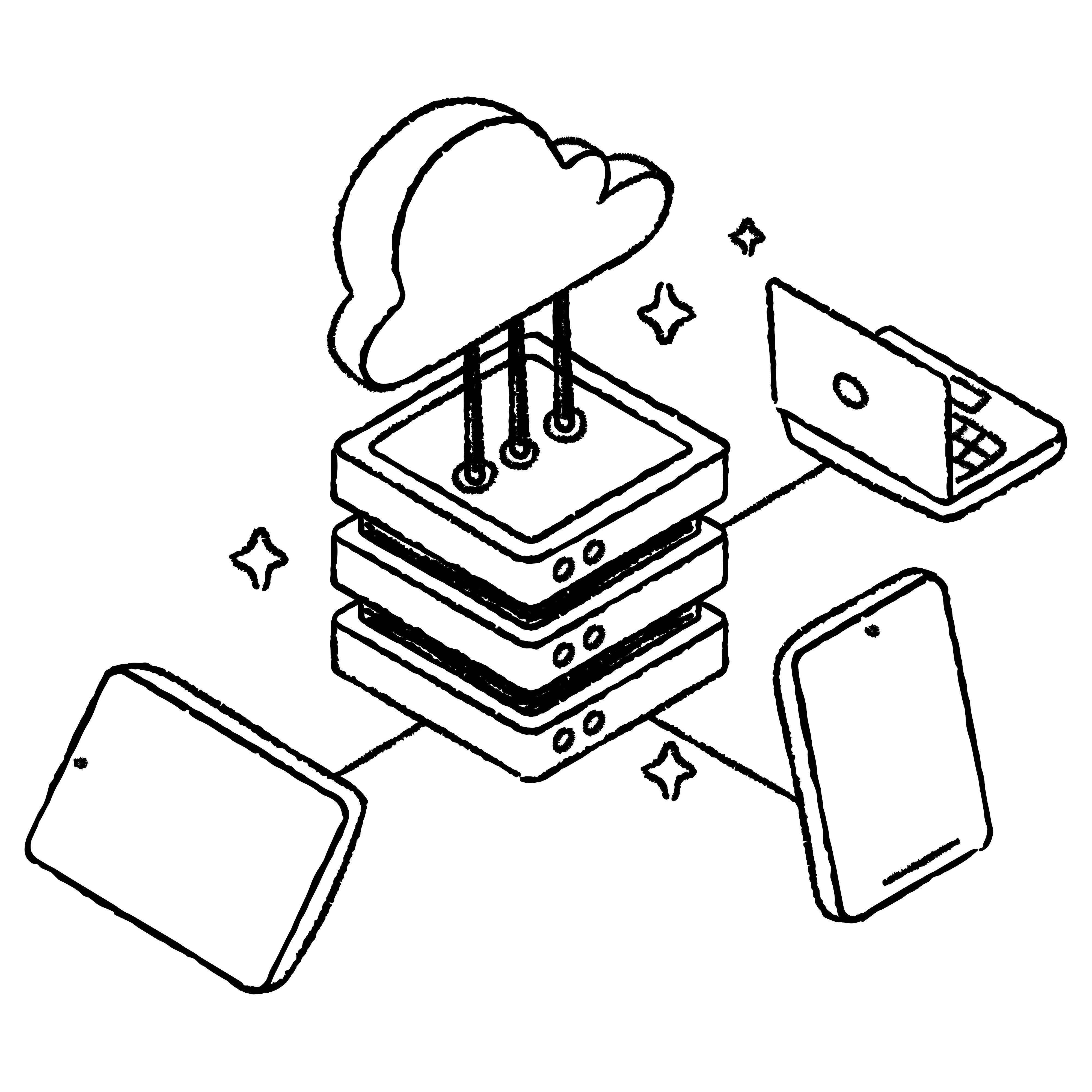
As smartphones become the primary computing devices for millions of users worldwide, the demand for more storage, faster performance, and seamless access to data continues to grow. Traditional mobile hardware alone cannot meet these expectations—this is where mobile cloud computing comes into play. Many people ask, “What is mobile cloud computing?” because the term describes a powerful combination of mobile technology and cloud infrastructure. In simple terms, mobile cloud computing allows applications, data, and processing tasks to run on cloud servers instead of relying solely on a device’s internal components. This shift transforms smartphones into lightweight access points, enabling users to enjoy more complex, efficient, and resource-intensive applications without draining local resources.
What Is Mobile Cloud Computing?
Mobile cloud computing refers to the use of cloud environments—such as public, private, or hybrid clouds—to process and deliver mobile applications and services. Instead of executing everything directly on the smartphone, tasks such as data storage, computation, and real-time processing occur on cloud servers. The device becomes a portal that retrieves processed information from the cloud. This architecture is particularly useful for apps that require large datasets, intense processing, or cross-device synchronization. As a result, cloud storage on smartphones has become one of the most familiar mobile cloud computing examples. Users store photos, files, messages, and backups on cloud platforms like Google Drive, iCloud, or OneDrive, freeing up device storage and ensuring data remains secure and accessible from anywhere.
Mobile cloud computing also supports mobile app cloud integration, where applications leverage cloud APIs, microservices, and remote databases to operate more efficiently. Instead of embedding large amounts of data and logic inside the app, mobile developers design applications that dynamically interact with cloud systems. This approach has reshaped the app ecosystem, enabling more advanced features such as real-time collaboration, AI-powered personalization, and instant data syncing across multiple devices.
How Mobile Cloud Computing Improves App Performance
A key question for many businesses is, “How does mobile cloud computing improve app performance?” The answer lies in offloading computational workloads from the smartphone to the cloud. Traditionally, apps that involved large files, heavy graphics, or complex calculations caused phones to slow down, overheat, or drain battery life quickly. With cloud-backed architectures, most of this processing happens on high-performance cloud servers. The smartphone simply receives the end result, leading to faster, smoother, and more stable performance.
For example, a mobile navigation app may rely on cloud-based servers to analyze traffic patterns and generate optimized routes, sending only necessary instructions back to the device. Similarly, productivity apps use cloud-powered storage and processing to maintain real-time collaboration features. Many of today’s AI-driven apps—image enhancement tools, chatbots, translation apps—use the cloud for both data analysis and machine learning inference.
This model not only enhances speed but also reduces hardware limitations. Older or lower-spec smartphones can run sophisticated applications because the cloud performs most of the heavy lifting. These are practical mobile computing examples showing how cloud integration improves everyday mobile experiences.
Advantages of Mobile Cloud Services
Another common question is, “What are the advantages of mobile cloud services?” Businesses and consumers embrace mobile cloud computing for several compelling reasons. First, it reduces the reliance on local storage. With cloud storage on smartphones becoming the standard, users store their data securely online rather than filling up their device memory. This provides flexibility and prevents performance slowdowns caused by limited storage.
Second, mobile cloud services improve application scalability. Developers can roll out new features, updates, or entire service expansions without requiring users to download large app updates. Many modern apps operate with minimal local installation because core functions are hosted in the cloud.
Third, cloud-powered apps enhance data availability and synchronization. Users can switch between devices—smartphone, tablet, or desktop—and continue where they left off because the cloud maintains their session data and preferences. This is the foundation of seamless mobile app cloud integration, enabling consistent user experiences across platforms.
Fourth, the cloud significantly strengthens security. Instead of storing sensitive information on a single device that can be lost or stolen, data is encrypted and hosted within secure cloud environments. Additionally, cloud services allow centralized backup and recovery options, giving users greater peace of mind.
Finally, mobile cloud computing reduces the cost of mobile app development and maintenance. Companies no longer need to create device-specific versions of complex workloads because cloud infrastructure unifies much of the backend processing. As a result, apps run more reliably across different operating systems and hardware configurations.
The Future of Mobile Cloud Computing
As mobile technology continues to evolve, cloud-based architectures will play an even greater role. 5G connectivity, edge computing, and AI-driven platforms will accelerate cloud integration and support even more powerful mobile applications. Whether for gaming, healthcare, finance, or entertainment, mobile cloud computing will continue to redefine how mobile devices operate in the digital world.